What Role Does a Printed Circuit Board (PCB) Play in Electronic Products

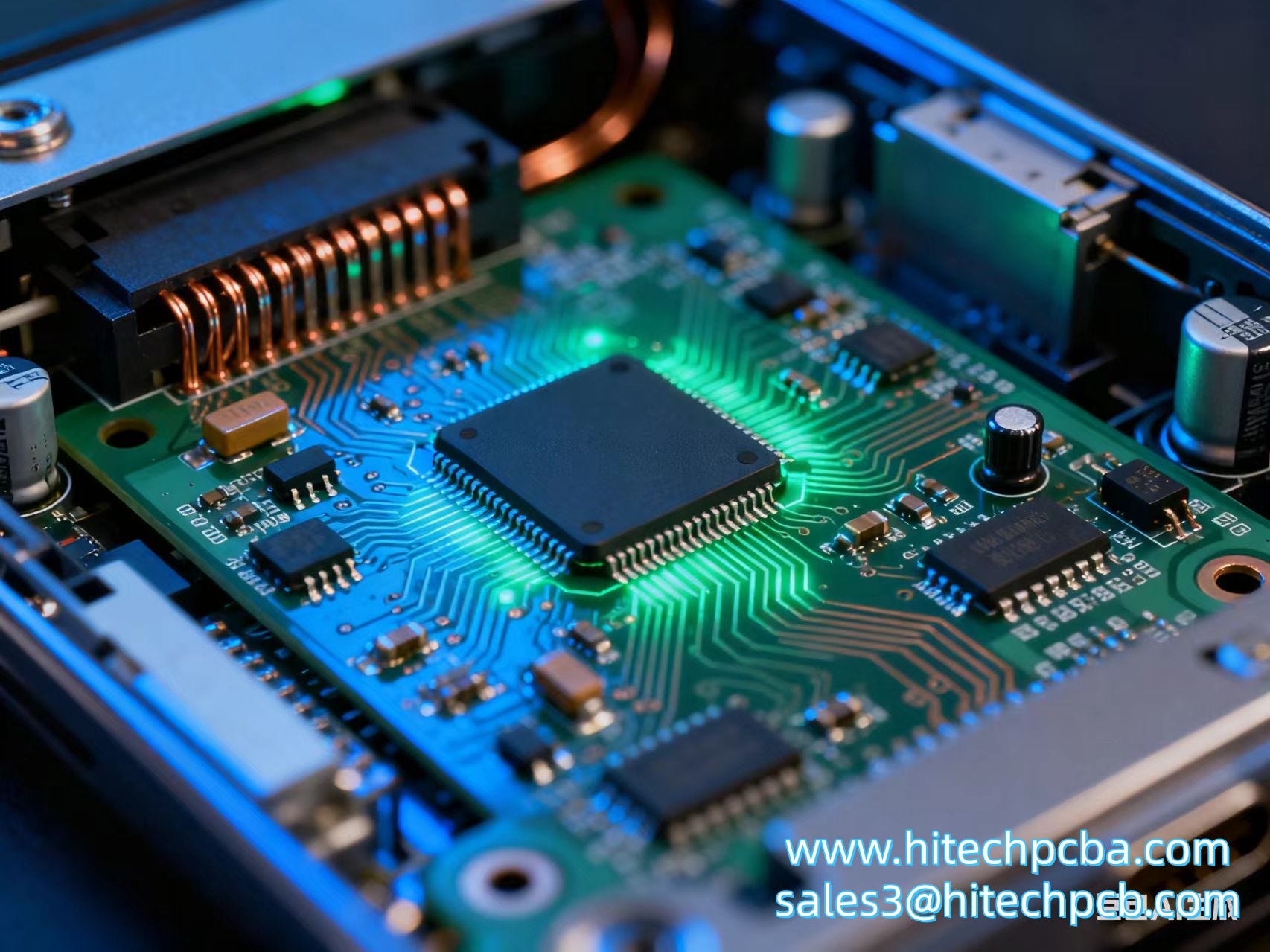
Printed Circuit Boards (PCBs) are the foundation of almost every modern electronic product. From smartphones and computers to medical devices and industrial machinery, PCBs serve as the essential backbone that connects and supports all electronic components. Without them, electronic systems would be bulky, unreliable, and far less efficient. The role of PCBs goes far beyond simple mechanical support—they are crucial for electrical connectivity, signal integrity, and overall system performance.
At its core, a PCB provides a structured and compact way to connect various electronic components such as resistors, capacitors, and integrated circuits. Traditionally, connections between components were made using manual wiring, which was time-consuming and prone to errors. PCBs replaced this approach with pre-designed conductive pathways, or ‘traces’ etched onto copper layers. These traces ensure precise and consistent electrical connections, allowing signals and power to flow reliably throughout the device. This improvement not only enhanced performance but also enabled the mass production of complex electronic systems.
Another key role of the PCB is mechanical support. Components are securely mounted on the board through soldering, which keeps them in fixed positions even in high-vibration environments. The rigid or flexible structure of the PCB provides stability, allowing products to maintain consistent functionality over long periods. Depending on the application, PCBs can be single-sided, double-sided, or multilayered. Multilayer PCBs, for instance, are common in advanced electronics like smartphones and servers, where space is limited and signal density is high.
Beyond mechanical and electrical roles, PCBs play a critical part in ensuring signal integrity and minimizing interference. The arrangement of traces, grounding, and layer stacking are carefully designed to reduce noise and cross-talk between circuits. In high-frequency applications such as 5G communications or radar systems, the PCB design can significantly influence the performance and accuracy of signal transmission. Therefore, PCB engineering is not just about connection—it’s about precision control of electromagnetic behavior.
PCBs also enhance manufacturability and reliability. Because every board follows a standardized design, they can be produced consistently at large scale. Automated assembly technologies, such as Surface Mount Technology (SMT), rely on the PCB’s accurate layout for component placement. The repeatability of PCB manufacturing ensures that each device performs identically, which is vital for consumer electronics and safety-critical applications alike.
In addition, modern PCBs contribute to miniaturization and innovation. The use of advanced materials and technologies—such as HDI (High-Density Interconnect) and rigid-flex boards—allows designers to fit more functionality into smaller spaces. This is essential in wearable devices, medical implants, and aerospace systems where compactness and reliability are equally important.
In conclusion, the Printed Circuit Board is much more than a platform for mounting components. It is the central nervous system of electronic products, enabling power distribution, data communication, mechanical stability, and system miniaturization. As electronics continue to evolve toward higher performance and integration, the role of the PCB will remain fundamental—shaping not only how devices function, but also how they are designed and manufactured in the future. If you are looking for a trusted PCB manufacturer, welcome to contact us Hitech Circuits Co., Limited. We can provide high-ended PCB products that meet your demand.